The Ultimate Toronto to New York City Bus Tour Guide
Planning a trip from the clean, lakeside streets of Toronto to the roaring, neon-lit canyons of Manhattan? You are looking at a classic 500-mile overland journey. While a quick flight from Pearson to JFK or LaGuardia is always an option, thousands of travelers every year explicitly search for bus tours from toronto to new york city for two very distinct reasons: unbeatable budget savings or the stress-free convenience of a fully planned holiday package.
But before you click “book” on the first cheap ticket or organized itinerary you find, you need to understand that this route is not a standard domestic commute. It involves a critical international border crossing, long overnight stretches, and varying comfort levels depending on the operator you choose.
To give you the perfect perspective right from the start, travelers generally fall into one of two categories for this journey:
The Guided Tour Vacationer: You want a structured 3-day or 4-day holiday package. You want your bus transportation, downtown Manhattan hotel accommodations, city sightseeing itineraries, and a tour guide all bundled into one fixed price.
The Independent DIY Commuter: You just want an affordable, direct bus ticket (like an overnight coach) from Toronto to NYC. You prefer to manage your own hotel, explore the city at your own pace, and save maximum cash.
What to Expect on the Road
Whether you choose a luxury holiday coach or a daily commuter express, the core logistics of the trip remain the same. Here is a quick snapshot of the journey at a glance:
Total Distance: Approximately $800 \text{ km}$ ($500 \text{ miles}$) passing through Ontario, New York State, and occasionally Pennsylvania or New Jersey.
Average Travel Time: 10 to 12 hours, heavily dependent on traffic entering Manhattan and delays at the U.S. border.
Primary Border Crossing: The Peace Bridge (Fort Erie, ON / Buffalo, NY) or the Rainbow Bridge (Niagara Falls).
The Core Benefit: Choosing a bus tour or commuter bus can save you hundreds of dollars compared to short-notice flights or train tickets, while dropping you right into the heart of Midtown Manhattan without airport transfer hassles.
Guided Tour Packages vs. Direct Commuter Buses: Which is Right for You?
The road trip from Toronto to New York City is about 800 kilometers (500 miles). When you decide to travel by bus, your first big choice is: Do you want a fully planned tour package, or do you want to just buy a bus ticket and explore on your own? Most websites only sell one or the other, which makes it hard to compare. To help you choose the best option for your budget and style, here is a simple breakdown of both choices.
Option 1: Fully Guided 3-Day & 4-Day New York Tour Packages from Toronto
If you want a stress-free trip where you do not have to plan anything, a Guided Tour Package (like Comfort Tour or Tours4Fun) is your best choice. They handle everything for you from start to finish.
Pros:
No Planning Stress: You do not have to worry about booking hotels, finding spots to visit, or figuring out local transport.
Hotel Included: These 3 or 4-day tours always include your hotel stay, usually located very close to Manhattan.
Tour Guide Support: A professional guide travels with you on the bus to help you cross the border and show you famous sights like Times Square.
Cons:
Strict Timetable: You must follow a tight schedule. You cannot stay longer at a place just because you like it.
Extra Fees: The tour price does not always include mandatory tips for the driver and guide, or tickets to some specific attractions.
Option 2: Independent Travel via Budget Commuter Buses
If you love freedom, want to make your own schedule, and are traveling on a tight budget, Independent Commuter Buses (like Megabus or Trailways) are perfect for you. These buses leave from Toronto’s Union Station and drop you right in the middle of Manhattan.
Pros (The Good Things):
Very Cheap: This is the most affordable way for couples or solo travelers to visit NYC. A round-trip ticket usually costs between $100 and $180.
Total Freedom: You can leave whenever you want, stay as many days as you like, and go anywhere you choose.
Save on Hotels: You can take an overnight bus (leaving around 9:00 PM). You can sleep on the bus and arrive in New York the next morning, saving the cost of a hotel night.
Cons (The Bad Things):
Do It Yourself: Once you arrive in NYC, you have to find your own food, book your own hotel, and navigate the subway.
Border Crossings: There is no guide to help you at the US border. You must take your own bags off the bus and talk to the customs officers yourself.
Top Bus Tour Operators & Ticket Booking Options
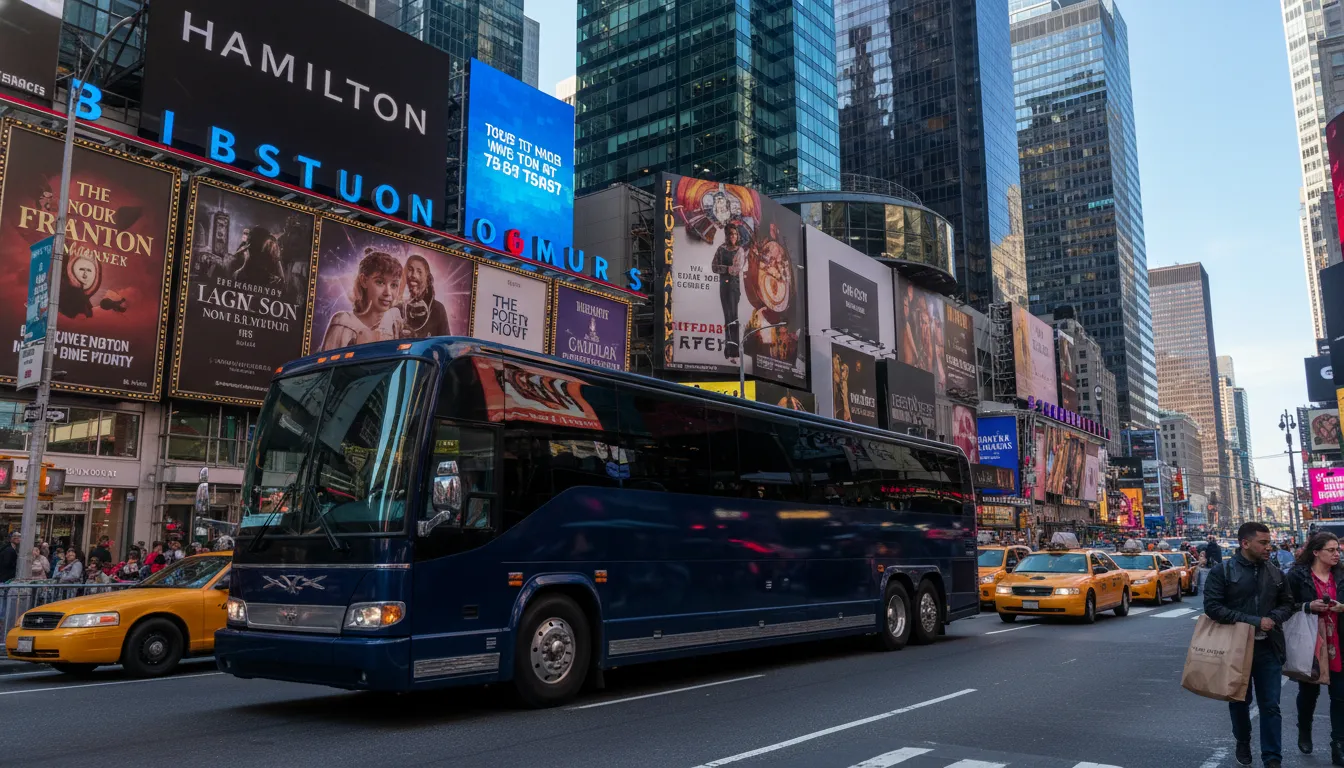
Finding the right bus service from Toronto to New York City depends entirely on your travel plans. To make it easy for you, we have organized the top authentic choices into a clean comparison chart. This chart lists estimated costs, travel styles, and who each service is best for.
Toronto to New York Bus Options
Comfort Tour / Tours4Fun
Tour Type: Guided Holiday Package (3–4 Days)
Estimated Price: $$$ ($1,100 – $1,200 CAD)
Best For: Families, seniors, and first-time visitors
Megabus / Trailways / FlixBus
Tour Type: Direct Commuter / Night Bus
Estimated Price: $ ($95 – $180 CAD round-trip)
Best For: Budget travelers, solos, and couples
Amtrak Vacations
Tour Type: Rail & Bus Combo Package
Estimated Price: $$$$ ($1,100+ CAD)
Best For: Scenic travelers and luxury seekers
Premium Holiday Tour Packages All-Inclusive Options
If you do not want to manage separate bookings for hotels, transit, and daily routes, a premium holiday package handles the heavy lifting.
Comfort Tour Canada: They offer popular 4-day fully-guided bus tours from Toronto. Your ticket covers your round-trip coach bus transportation, hotel stays (usually right outside Manhattan, like New Brunswick), and morning breakfasts.
Tours4Fun: This platform connects you with different local operators running organized multi-day trips. It is highly structured, and you travel alongside a fixed group of people with a set itinerary.
Amtrak Vacations: This is a luxury alternative that mixes a scenic train journey (using the Maple Leaf rail line) with local city package tours. It is significantly more expensive but offers a classic travel experience with hotel stays included.
Daily Commuter and Overnight Express Bus Services
For travelers who prefer setting their own schedules, saving money, or traveling spontaneously, individual commuter buses run daily from downtown Toronto.
Megabus / FlixBus: These budget-friendly options depart directly from Toronto’s Union Station Bus Terminal. They offer free onboard Wi-Fi, power outlets, and multiple daily departures. A standard point-to-point ticket lands you directly at the Port Authority Bus Terminal in Midtown Manhattan.
Trailways: Operating frequent cross-border lines, Trailways is known for its highly reliable schedules. They provide direct routes with fewer transfers, making the 12-hour journey straightforward and predictable. You can choose a morning bus to watch the scenery or an overnight bus to save on accommodation costs.
The Border Crossing Reality: Buffalo & Peace Bridge Customs Guide
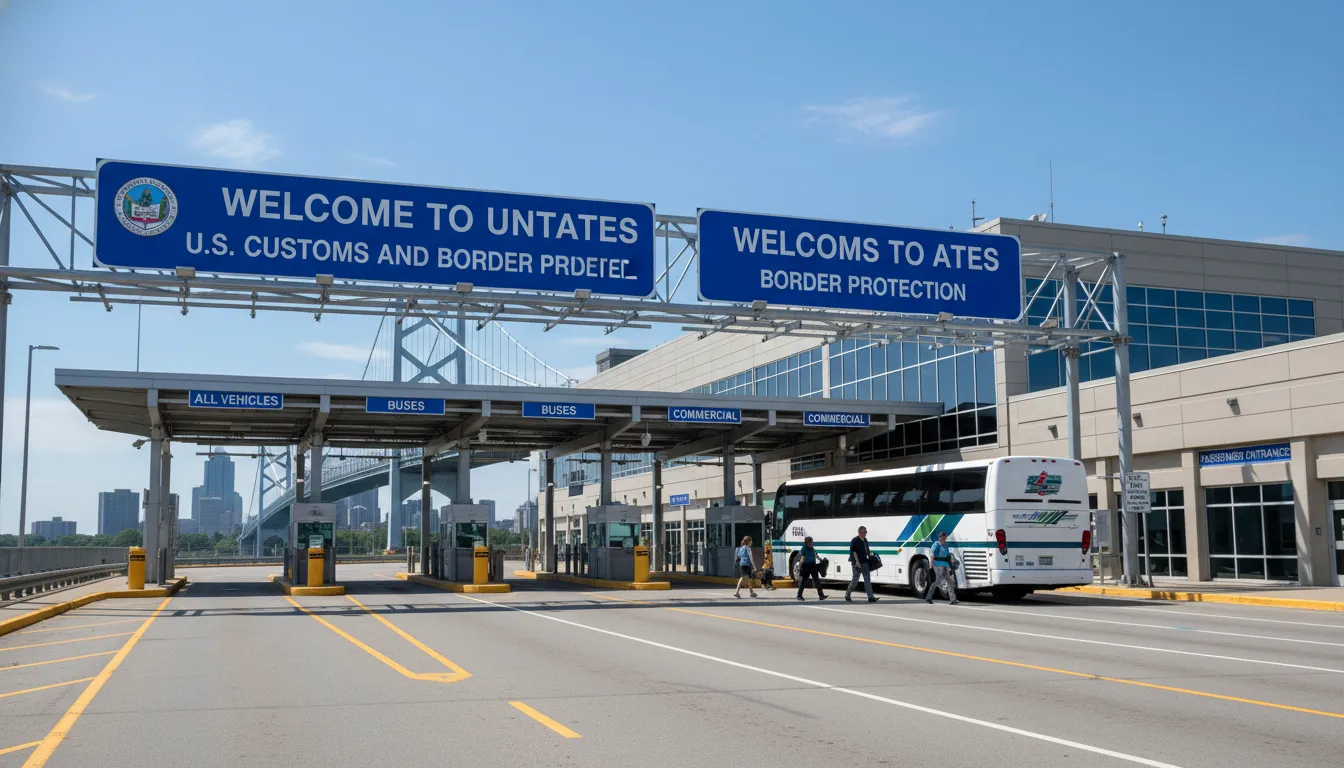
Crossing the border is often the most stressful part of taking a bus from Toronto to New York City. Because you are traveling on a commercial vehicle, the process is very different from driving your own car. The bus will pull up to the U.S. Border Customs hub at the Peace Bridge (Buffalo, NY). Knowing exactly what happens next will help you stay calm and avoid any issues.
Step-by-Step US Border Protocol for Bus Passengers
When the bus arrives at the U.S. port of entry, you cannot stay in your seat. Everyone must follow a strict security routine:
Step 1: Unload Everything: The driver will open the luggage compartments. You must take all your bags, including large suitcases and small backpacks, off the bus. Nothing can be left behind.
Step 2: Enter the Customs Terminal: Walk inside the U.S. Customs and Border Protection (CBP) building with your bags and stand in the queue.
Step 3: Interview with the Officer: When it is your turn, step up to the officer’s booth. They will scan your documents, take your fingerprints/photo if required, and ask about your trip.
Step 4: Luggage Screening: Put all your bags through the X-ray machine just like at an airport.
Step 5: Board the Bus: Once you clear customs, walk back outside to the designated waiting area and put your bags back onto the bus.
The Golden Rule: The Bus Will Not Wait
Important Warning: U.S. Customs officers inspect every passenger individually. If your documents are not in order, or if you are selected for a lengthy “Secondary Inspection” interview, the bus will leave you behind. >
Bus companies operate on tight schedules. If one passenger is delayed for an hour, the driver will hand that person’s luggage to the station agents and drive away with the rest of the passengers. If you get left behind, you will have to wait for the next available bus or arrange your own ride out of Buffalo once you clear customs.
Essential Documentation: Canadian Citizens vs. International Students
Having the right paperwork ready is the best way to make sure the bus does not leave without you.
For Canadian Citizens & Permanent Residents (PR)
Valid Canadian Passport: Must be valid for the entire length of your stay.
Canadian PR Card: If you are a permanent resident of Canada, you must carry your original PR card along with your home country’s passport.
For International Students & Foreign Nationals (e.g., Korean/Asian Student Visas)
Valid Passport & U.S. Visitor Visa (B1/B2): Ensure your visa is valid and not expired.
Active I-20 Form (For Students): If you are studying in Canada or the U.S., carry your official school documents showing you are enrolled full-time.
Electronic System for Travel Authorization (ESTA): If your home country belongs to the Visa Waiver Program, you must have an approved ESTA.
The Land Border I-94 Fee: Non-immigrant land travelers must apply for an I-94 Arrival/Departure record. This fee is $30 USD. It is highly recommended to apply and pay this fee online or via the CBP One app up to 7 days before your trip to save time at the border.
Pro-Tips for a Smooth Border Crossing
Keep Answers Short: Answer the officer’s questions directly and honestly. If they ask, “Why are you visiting New York?” simply say, “For tourism and sightseeing.” Do not overshare unnecessary details or tell long stories.
No Food or Agriculture: Do not bring fresh fruits, vegetables, or meat products across the border. Throw them away on the bus before you step inside the terminal to avoid fines and delays.
Keep Electronics Handy: Ensure your phone or laptop is charged in case an officer asks you to turn it on or show your return bus ticket confirmation.
Surviving the Night Bus: Honest Insights from Toronto to NYC Travelers

Taking an overnight bus is the most popular way to travel from Toronto to New York City. The bus usually leaves the Toronto Union Station Bus Terminal or the Yorkdale Bus Terminal around 9:00 PM and arrives in midtown Manhattan (near Penn Station or Port Authority) by 7:00 AM or 8:00 AM the next morning.
But what is the ride actually like? Many travelers wonder if the overnight option is safe and if they will actually be able to get any sleep. Here is the honest truth from people who take this route often.
Is the Overnight Bus Safe?
Yes, the route is highly safe. The buses stick to major, well-traveled interstate highways, and the drivers are experienced professionals who handle cross-border routes every day.
Onboard Safety: The bus stations in both downtown Toronto and Manhattan are busy public hubs with security. Inside the bus, passengers are generally quiet because everyone just wants to sleep.
Solo Travelers: If you are traveling alone, it is completely safe. Just keep your most important items—like your passport, phone, wallet, and visa documents—inside a small jacket pocket or a small waist bag that stays on your body at all times.
The Reality of Sleep Quality and Rest Stops
While the bus is safe, you need to set realistic expectations about comfort.
The Sleep Challenge: You are sleeping in a standard coach seat that only tilts back slightly. It is not a flat bed. Furthermore, your sleep will be interrupted around 11:30 PM or 12:00 AM when everyone must get off the bus with their bags to cross the U.S. border at Buffalo.
Rest Stops: Aside from the mandatory border stop, the bus will make 1 or 2 quick stops at highway service stations (like Tim Hortons on the Canadian side or Dunkin’ on the U.S. side). These stops let you use a proper restroom, stretch your legs, and grab a quick coffee. There is a small restroom on the bus, but it is best kept for emergencies only.
Packing Checklist for the Night Bus
To get the best rest possible, do not just board the bus in regular clothes. Pack a small “comfort kit” in your carry-on bag:
A Good Neck Pillow: A supportive travel pillow keeps your head from dropping forward when the bus brakes or turns.
Eye Mask and Earplugs: Some passengers might use their phones or reading lights during the night. An eye mask blocks the light, and earplugs muffle the sound of the bus engine.
A Light Blanket or Hoodie: Bus air conditioning can get surprisingly cold at 2:00 AM. Wear layers so you can stay warm.
Phone Charger & Cord: Most modern buses have USB ports or standard wall plugs under the seats. Keep your phone charged so you have your map and ticket ready when you land in New York.
Note on Route Dynamics: Depending on the bus company, your bus might stop briefly at the Buffalo Bus Terminal after crossing the border. In some cases, you might be asked to switch to a different bus line or a fresh driver will take over the wheel. Pay close attention to the driver’s announcements so you know exactly what to do.
Cost Comparison & Efficiency: Is Bus Travel Really the Best Option?
When planning a trip from Toronto to New York City, it helps to look at all your transport options. While taking a bus is highly popular, you can also take the train or drive your own car. Each option has different costs, travel times, and benefits.
Neeche humne in teeno tarikon ka mukabla kiya hai taake aap apne liye sabse sasta aur behtar rasta chun sakein.
Bus vs. Train vs. Car
| Mode of Travel | Average Cost (Round-Trip) | Total Travel Time | Best For |
| Direct Bus | $100 – $180 CAD per person | 10 – 12 hours | Budget couples and solo travelers |
| Amtrak Train | $200 – $400 CAD per person | 12.5 hours | Comfort, scenic views, and seniors |
| Driving (Car) | $120 – $170 CAD total (Gas + Tolls) | 8.5 – 10 hours | Families, groups, and road-trip lovers |
1. The Direct Bus (The Most Affordable Choice)
If your main goal is to save money, taking a point-to-point commuter bus (like Megabus or Trailways) is the most economical way to travel.
The Cost: Tickets are very cheap, usually running between $100 and $180 CAD for a round-trip seat. This makes it a perfect choice for couples traveling on a tight budget.
The Efficiency: It takes about 10 to 12 hours depending on highway traffic and how long the bus gets delayed at the border customs check.
Why Choose It: You do not have to drive, and choosing an overnight bus means you do not have to pay for a hotel room for that night.
2. The Amtrak Train (The Most Comfortable Choice)
The Amtrak Maple Leaf train runs once daily directly from Toronto Union Station to New York Penn Station.
The Cost: Train tickets are more expensive than bus tickets, usually costing between $200 and $400 CAD round-trip per person.
The Efficiency: The train takes around 12.5 hours. While it is a bit slower than the bus, the border crossing is often much more comfortable. Instead of standing in a long terminal line with your bags, customs officers board the train at Niagara Falls to check your documents while you sit.
Why Choose It: The train gives you massive legroom, free walking space, a cafe car for food, and beautiful scenic views of Upstate New York.
3. A Road Trip by Car (The Most Flexible Choice)
If you are traveling with a family or a group of three or more friends, driving a car can be highly efficient and cost-effective.
The Cost: You only pay for gas and highway tolls (such as the New York State Thruway and the bridge toll into Manhattan). The total cost typically ranges from $120 to $170 CAD, which is very cheap when split between multiple people.
The Efficiency: Driving is the fastest way to travel by road. Without unexpected delays, the 800 km (500 miles) drive takes about 8.5 to 9 hours.
Best Route & Pitstops: The fastest and most direct route takes you across the Peace Bridge in Buffalo, onto the I-90 East, and then down the I-81 South. There are some fantastic cities to visit between New York and Toronto for a quick break:
Rochester, NY: Perfect for grabbing lunch and stretching your legs.
Syracuse, NY: Located almost exactly halfway, making it the perfect city to stop for dinner, shopping at Destiny USA, or staying overnight.
Binghamton or Scranton: Great spots for a quick coffee and gas refill before entering the busy traffic areas of New Jersey and New York City.
Parking Tip for Drivers: While driving a car is fast, parking inside Manhattan is incredibly expensive (often $50 to $80 USD per day). If you choose to drive, consider parking your car at a secure transit station in New Jersey and taking a quick train ride into the city to save money.
Frequently Asked Questions Toronto to NYC Bus Edition
Planning a cross-border trip brings up lots of quick questions. Here are clear, straightforward answers to the most common things travelers ask before booking a bus from Toronto to New York City.
Resources & Official Links
Before you pack your bags and head to the bus terminal, it is always a smart idea to double-check the latest travel rules, border requirements, and bus schedules. Government rules and bus times can change, so use these official links to verify your travel details:
Official U.S. Border Rules: Visit the U.S. Customs and Border Protection (CBP) Website to check current land border entry requirements and apply for your digital I-94 form before your trip.
Canadian Travel Advisories: Check the Government of Canada Travel Advisories for official updates on crossing the border back into Canada and what items you are allowed to bring home.
Toronto Bus Terminal Info: Check the Union Station Bus Terminal Official Guide to find directions, gate information, and amenities available at the station before you depart.
Bus Operator Schedules: Visited the official websites for Megabus Canada or Trailways to view real-time bus tracking and live schedule adjustments.
Final Checklist Before You Go: > 1. Is your passport valid? 2. Did you print your bus ticket or download it to your phone? 3. Have you removed all fresh food and snacks from your bags before reaching the border? 4. Do you have a jacket or hoodie packed in your carry-on bag for the night bus?