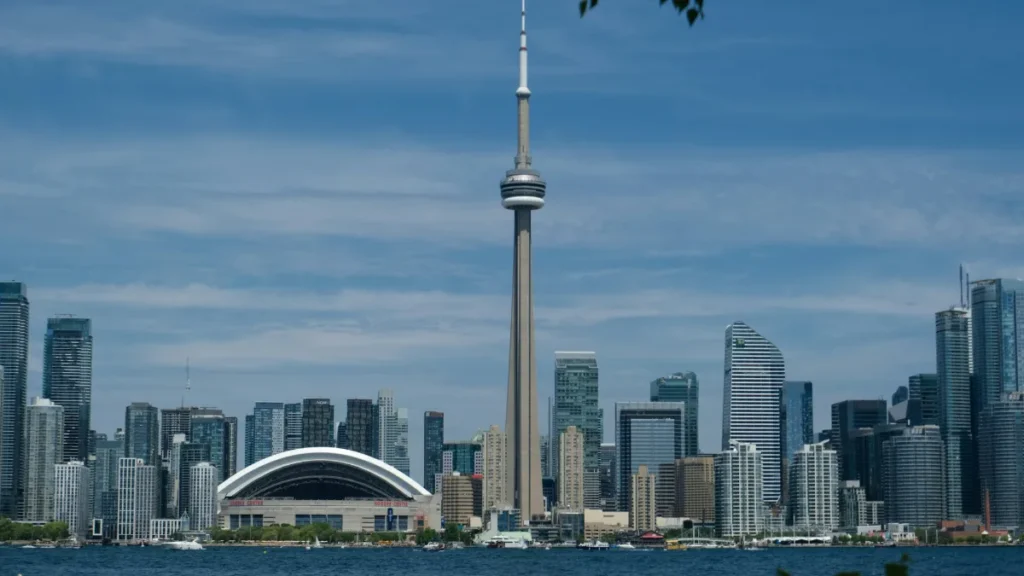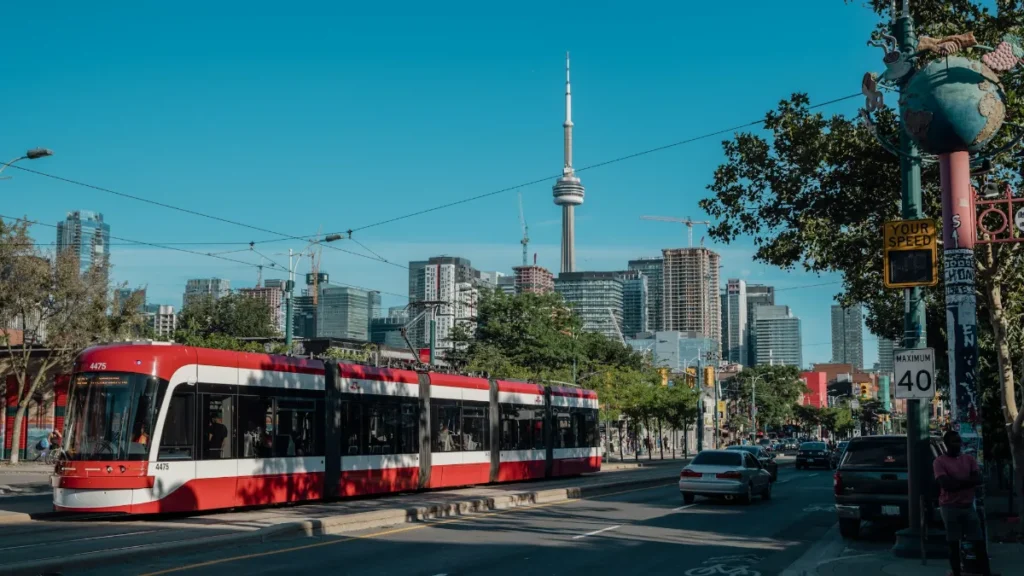
The best time to visit Toronto for most travellers is late May to early October, when daytime highs sit around 19 to 27°C, the Toronto Island ferries run on all routes and the city’s big festivals fill the calendar. June and September are the sweet spot: warm, long days with fewer crowds than July and August. If you want lower hotel rates and do not mind the cold, winter (December to March) brings skating, holiday lights and the Winterlicious restaurant festival.
Quick facts
- Best overall: late May to early October
- Sweet spot: June and September (warm, slightly quieter than mid-summer)
- Warmest month: July, average high about 27°C (81°F)
- Coldest month: January, average high about 0°C (31°F)
- Snowiest months: December to February
- Busiest period: July and August, plus big event weekends such as TIFF in September
- Often lower hotel rates: January to March and November
Toronto weather by month
Toronto has four distinct seasons. Summers are warm and can be humid, winters are cold with regular snow, and spring and fall change quickly from week to week. The table below uses Environment and Climate Change Canada’s 1991 to 2020 climate normals for the downtown weather station. Treat them as averages, not a forecast.
| Month | Average high | Average low | Precipitation | Snowfall |
|---|---|---|---|---|
| January | -0.3°C (31°F) | -6.7°C (20°F) | 65 mm | 37 cm |
| February | 0.6°C (33°F) | -6.0°C (21°F) | 54 mm | 27 cm |
| March | 5.1°C (41°F) | -1.8°C (29°F) | 53 mm | 20 cm |
| April | 11.7°C (53°F) | 3.9°C (39°F) | 78 mm | 5 cm |
| May | 18.8°C (66°F) | 10.0°C (50°F) | 76 mm | 0 cm |
| June | 24.2°C (76°F) | 15.3°C (60°F) | 82 mm | 0 cm |
| July | 27.0°C (81°F) | 18.1°C (65°F) | 77 mm | 0 cm |
| August | 26.1°C (79°F) | 17.7°C (64°F) | 72 mm | 0 cm |
| September | 22.0°C (72°F) | 13.8°C (57°F) | 69 mm | 0 cm |
| October | 14.6°C (58°F) | 7.7°C (46°F) | 69 mm | 0 cm |
| November | 8.1°C (47°F) | 2.3°C (36°F) | 71 mm | 8 cm |
| December | 2.6°C (37°F) | -2.7°C (27°F) | 58 mm | 24 cm |
Rain and snow are spread fairly evenly through the year, so no month is truly dry. The difference is the type of day you get: summer showers often pass quickly, while a grey November drizzle can last all afternoon. July is also the sunniest month on average, and December the least sunny.
Summer (June to August): best for festivals and the waterfront
Summer is Toronto’s peak season. Patios open, the waterfront is busy from morning to night and the city’s largest events happen back to back. Expect warm to hot days, occasional humid spells and thunderstorms, and long evenings with daylight until about 9 p.m. in late June.
What summer is good for
- Toronto Island: all three ferry routes (Centre Island, Hanlan’s Point and Ward’s Island) run in the warm season, and the beaches and boardwalk are at their best.
- Outdoor eating: patios across the city, plus the Summerlicious prix fixe festival in July. In 2026 it ran July 3 to 19, with lunch menus from $20 to $55 and dinner from $25 to $75 at more than 230 restaurants.
- Big events: Pride Toronto runs through June, with the parade on the last Sunday of the month (June 28 in 2026). The Toronto Caribbean Carnival Grand Parade takes place on the first weekend of August (August 1 in 2026). The Canadian National Exhibition at Exhibition Place fills the last weeks of August up to Labour Day.
- Views: clear summer evenings are a popular time to go up the CN Tower for sunset.
Downsides
Summer has the biggest crowds and, in most years, the highest hotel rates. Popular attractions sell timed tickets for set entry times, so book ahead for weekends. Hot, humid days can make long walks tiring; plan indoor stops in the middle of the afternoon.
Fall (September to November): best for comfortable sightseeing
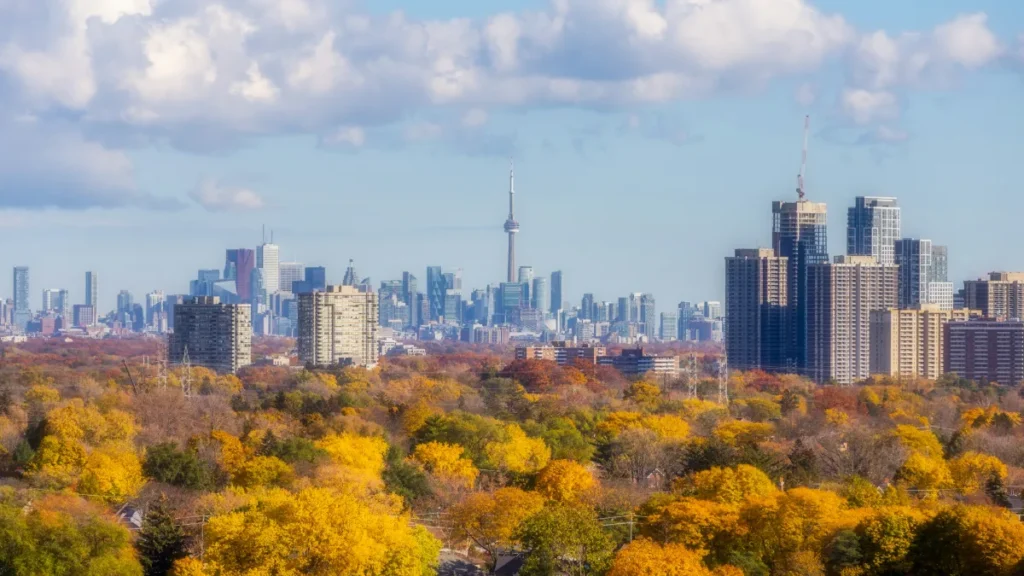
Early fall is many visitors’ favourite season. September still feels like summer, with average highs around 22°C, but school is back and the crowds thin out on weekdays. October brings cooler, crisp days and autumn colour in the ravines and parks.
What fall is good for
- TIFF: the Toronto International Film Festival takes over the King Street area for about 10 days in early to mid September (September 10 to 20 in 2026). Hotels downtown fill up quickly that week.
- Nuit Blanche: a free all-night contemporary art event held on a Saturday in early October (October 3 in 2026).
- Walking neighbourhoods: mild weather suits long days on foot through Kensington Market, Queen West and the Distillery District, and food stops at St. Lawrence Market.
- Halloween events: several attractions run seasonal evening events in October, so check each attraction’s official site for dates.
Downsides
The warm-season ferry schedule ends in mid-October, and some island attractions close until spring. November is often grey and damp, with the first snow possible later in the month. Pack layers from mid-October on.
Winter (December to March): best for lower prices and holiday events
Toronto winters are cold but manageable if you dress for them. For a ski day out of the city, see our Blue Mountain day trip guide. Average highs hover around 0°C from December to February, nights are colder, and wind off the lake can make it feel much colder. The upside is quieter attractions and, in many cases, lower hotel rates outside the holidays.
What winter is good for
- Skating: the City’s outdoor artificial ice rinks typically open in late November and close in March, weather permitting. Drop-in skating at City rinks is free, and skate rentals are available at Nathan Phillips Square in winter.
- Holiday lights: the Cavalcade of Lights opens the holiday season at Nathan Phillips Square in late November, with the lighting of the City’s official tree.
- Winterlicious: the winter edition of the prix fixe restaurant festival runs from late January into February. In 2026 it ran January 30 to February 12 with more than 240 restaurants.
- Museums and indoor sights: winter is a good time for the Royal Ontario Museum, galleries, the aquarium and Toronto’s underground PATH walkway downtown.
Downsides
Days are short, with sunset before 5 p.m. in December. Snowstorms can slow traffic and flights, and winter ferry service to the island runs only to Ward’s Island. Waterfront walks are much less pleasant in January and February.
Spring (April and May): best for shoulder-season value
Spring arrives slowly. April can still bring cold snaps and late flurries, with average highs near 12°C, while May warms up to around 19°C and feels like the start of summer. Cherry blossoms in High Park usually bloom for a short window in late April or May; the exact timing depends on the weather each year.
What spring is good for
- Fewer crowds: attractions are quieter before school holidays begin, especially on weekdays.
- Doors Open Toronto: a free weekend in late May when historic and architecturally interesting buildings open to the public (May 23 and 24 in 2026).
- Baseball: the Toronto Blue Jays’ regular season starts in spring, and a game at Rogers Centre is an easy downtown outing.
- Island ferries: all three ferry routes usually resume in mid-April.
Downsides
The weather is unpredictable. A sunny 20°C day can be followed by rain and 6°C, so pack a waterproof layer and keep indoor backups in your plan.
Best time to visit Toronto for different trips
For first-time visitors
Aim for June or September. You get warm weather, island access and long days, with fewer crowds than July and August. A one-day Toronto itinerary works well in either month.
For families
July and August match school holidays and have the most outdoor activities, but book attraction tickets early. March Break in mid-March is also busy at family attractions.
For travellers on a budget
Look at January to March (outside March Break) and November. Room rates are often lower, and free activities such as skating, free museum admission times and window-shopping in the PATH keep costs down. Avoid big event weeks, when prices rise sharply.
For couples
Late September and early October offer comfortable evenings for dinners and waterfront walks, and the holiday lights in December add a festive feel.
Practical tips for timing your trip
- Check event calendars before booking: TIFF, Pride, the CNE and major concerts or sports games can push up downtown hotel prices.
- Visit popular attractions early or late: weekday mornings are usually the quietest time at the most visited sights.
- Dress in layers: spring and fall temperatures can change 10°C or more within a day.
- Bring winter gear from December to March: a warm coat, hat, gloves and waterproof boots make a big difference.
- Use transit in bad weather: the subway and the PATH network let you move around downtown without spending long outdoors.
- Confirm seasonal hours: ferry schedules, island attractions and outdoor rinks change by season. Check the official source before you go.
FAQ
What is the cheapest time to visit Toronto?
January to March (outside March Break) and November usually have the lowest hotel rates, because fewer visitors travel in the cold. Rates rise around holidays and big events, so compare a few dates.
What is the rainiest month in Toronto?
Precipitation is fairly even all year. Based on the 1991 to 2020 normals, June has the highest average (about 82 mm), with April and May close behind. Most summer rain comes in short showers or thunderstorms.
Is Toronto worth visiting in winter?
Yes, if you plan for the cold. Winter brings free outdoor skating, holiday lights at Nathan Phillips Square, Winterlicious and quieter museums. Pack warm clothing and plan more indoor time.
When is Toronto most crowded?
July and August are the busiest months overall. Event weeks such as Pride at the end of June, the Caribbean Carnival in early August, the CNE in late August and TIFF in September are also very busy downtown.
How many days do I need in Toronto?
Two to three days covers the main downtown sights, such as the CN Tower, the waterfront, a market and a museum. Add a day for a trip to Niagara Falls. Our guide to how many days to spend in Toronto explains what fits into one to five days.
Plan your visit
For warm weather, island ferries and festivals, plan your trip between late May and early October, with June and September as the best balance of weather and crowds. Choose winter for lower prices, skating and holiday events, and spring for quiet shoulder-season sightseeing. Whatever the season, check event dates and attraction hours on the official websites before you book, since schedules change from year to year. Toronto City Tour is an independent guide and does not sell tickets or tours. Start planning with our guides to the CN Tower, the Royal Ontario Museum and St. Lawrence Market.